Rural holidays in Spain are not a compromise on comfort. Done properly they are the better version of it: fewer rooms, better food, and someone who notices what you need before you ask. The difficulty is knowing where to begin, because the country holds a dozen rural Spains with almost nothing in common.
Start with the landscape rather than the map. Everything else follows from it.
- Limestone sierras and white villages. Warm, dry, walkable almost all year, with vineyards and olive groves between the ridges. Found in Andalusia.
- Green Atlantic mountains. Beech woods, deep valleys, cider houses and bears. Cool in August. Found in Asturias.
- Countryside meeting the sea. Granite villages, estuaries and vines on impossible slopes above the water. Found in Galicia.
- High peaks and glacial valleys. Serious ascent, stone bell towers, snow in winter. Found in the Pyrenees.
- Plateau, canyon and vineyard. Vast skies, golden stone towns, cellars dug into the hillsides. Found in Castile and León.
Where to Go: The Rural Regions of Spain
Five regions, and one rural destination worth choosing within each. The differences between them are not marginal. The light, the food, the temperature and the whole mood of the day change as you move across the country.
Andalusia, and Why Ronda Is the Place to Base Yourself
No other region lets you walk a mountain in the morning, taste wine in the afternoon and reach the sea before dinner. In February as easily as in October.
Behind the Costa del Sol the land climbs into limestone: the Serranía de Ronda, the Sierra de Grazalema, the Sierra de las Nieves National Park. White villages sit on ridges with nothing between them but oak forest and olive groves.
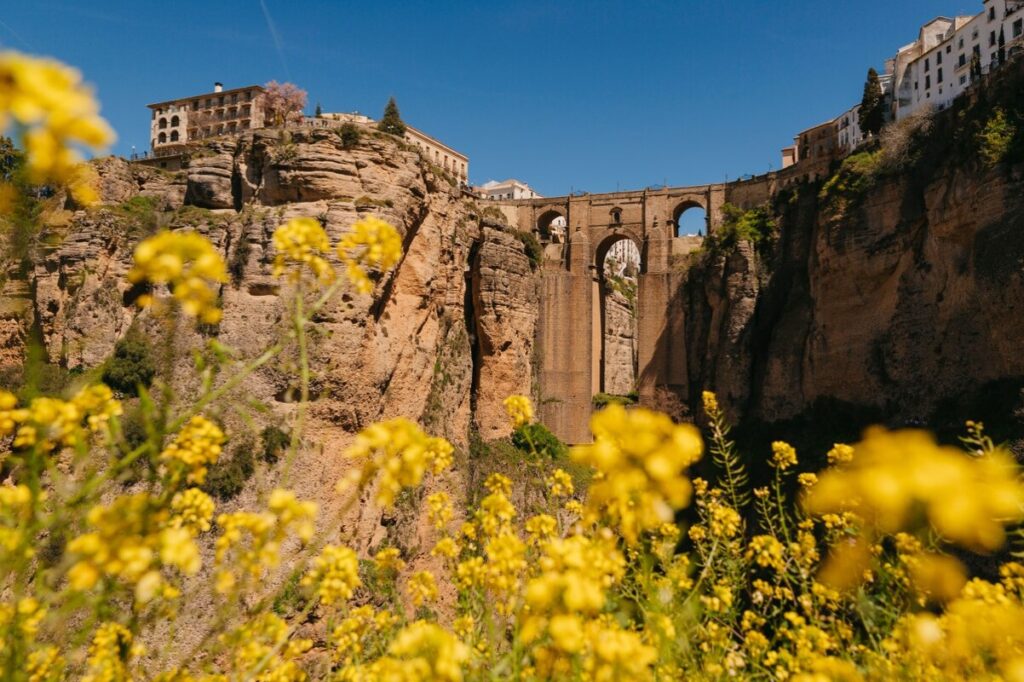
The destination: Ronda. Split by a hundred-metre gorge and surrounded by mountains on every side, it is the rare rural base that is also a real town, with around twenty small bodegas working vineyards at seven hundred metres and above, Roman ruins at Acinipo, and a dozen pueblos blancos within a morning’s drive. Málaga and the coast are ninety minutes away, Seville a little more.
Stay outside the town rather than in it. The Serranía begins a few kilometres from the bridge, where the road narrows and the groves start, and the evening quiet out there is the thing people remember.
Good to know
- Season. September to June, and winter is among the finest walking of the year here, when the north is closed.
- Airports. Málaga and Seville, both around ninety minutes from the Serranía.
- Best for. Couples, walkers, wine, and anyone who wants countryside without giving up the coast or the cities.
Asturias, and the Valleys Around Somiedo
Brown bears still live here. So do beech forests, cider houses and mountains that fall straight into the Atlantic.
The destination: Somiedo Natural Park, inland from the Picos de Europa, where bear watching with a guide has become a serious form of ecotourism and is best in spring. Food is heavy, generous and unapologetic, and the cider is poured from above the head.
Good to know
- Season. May to September. This is the answer for anyone escaping the Spanish summer.
- Airports. Asturias and Bilbao. Roads are slow and mountainous once you leave them.
- Best for. Walkers, wildlife watchers and anyone who prefers rain to heat.
Galicia, and the Ribeira Sacra
Granite villages, deep estuaries, and some of the finest seafood in Europe eaten within sight of where it was landed.
The destination: the Ribeira Sacra, where the Sil and Miño rivers cut canyons and the vineyards cling to slopes that look impossible to work. An hour from the coast, so the rías and their fishing villages remain within reach on any given day.
Good to know
- Season. June to September is the reliable window. Outside it, expect Atlantic weather.
- Airport. Santiago de Compostela, with good links across Europe.
- Best for. Travellers who cannot decide between countryside and coast.
The Pyrenees, and the Ordesa Valley
Glacial valleys, Romanesque churches with stone bell towers, and the kind of altitude that makes August bearable.
The destination: Ordesa y Monte Perdido National Park in Aragon, with the medieval town of Aínsa as a base. Valley walls, waterfalls and Spain’s most serious walking, with the Irati beech forest in neighbouring Navarre turning extraordinary colours through October.
Good to know
- Season. June to September for walking, or winter for snow. Some high passes close from November.
- Airports. Barcelona for the Catalan side, Zaragoza or Bilbao for the west.
- Best for. Active holidays rather than slow ones.
Castile and León, and the Ribera del Duero
Vast skies, golden stone, and a quality of quiet that people either find unbearable or never quite recover from.
The destination: the Ribera del Duero, where cellars are dug into the hillsides beneath the villages themselves. Further east, in Soria, the Lobos River Canyon cuts through the plateau with griffon vultures overhead.
Good to know
- Season. April to October. Continental climate, so hard winters and hot summers.
- Airport. Madrid, which makes this an easy first rural trip.
- Best for. Wine, history, and travellers who actively want an empty landscape.
Where to Stay: The Types of Rural Accommodation in Spain
Spain distinguishes carefully between kinds of country stay, and the words matter more than they appear to.
A village or country house, usually rented whole and self-catered. Space and independence at the lowest cost. Best for groups and families.
A small country hotel with staff, breakfast and often dinner. Nothing to organise yourself, and someone to ask.
A working or former estate, frequently with olive groves or vines. The setting is the reason to come. Standards vary enormously.
State-run hotels inside castles, monasteries and convents. Reliable and historic, though grand rather than intimate.
Fewer than fifteen rooms, an owner or long-standing team on site, and a kitchen that cooks rather than caters. Quiet luxury in the truest sense: no marble lobby, no queue at breakfast, simply a house where everything has been considered and nobody hurries you through it. This is the category people return to year after year.
Three questions worth asking before booking
- Is dinner served every night? In the countryside there is often nothing within half an hour’s drive. A house that cooks properly changes the whole holiday.
- How many rooms? Below fifteen, the hospitality tends to be personal. Above forty, it tends to be procedural.
- Who will be there when I arrive? Owners and long-serving teams are the difference between a good stay and one you talk about afterwards.
Recommendations by the Kind of Holiday You Want
The region matters less than the shape of the days. Five versions of a rural holiday in Spain, and where each one works best.
Rest and Reconnection
The hardest kind of holiday to arrange, because it depends less on where you go than on who is looking after you when you get there.
For this you want a small house rather than a hotel, somewhere the day has no schedule attached to it and nothing needs organising. The Serranía de Ronda suits it particularly well: warm for most of the year, quiet after dark, and close enough to Ronda that a change of scene is fifteen minutes away when you want one.
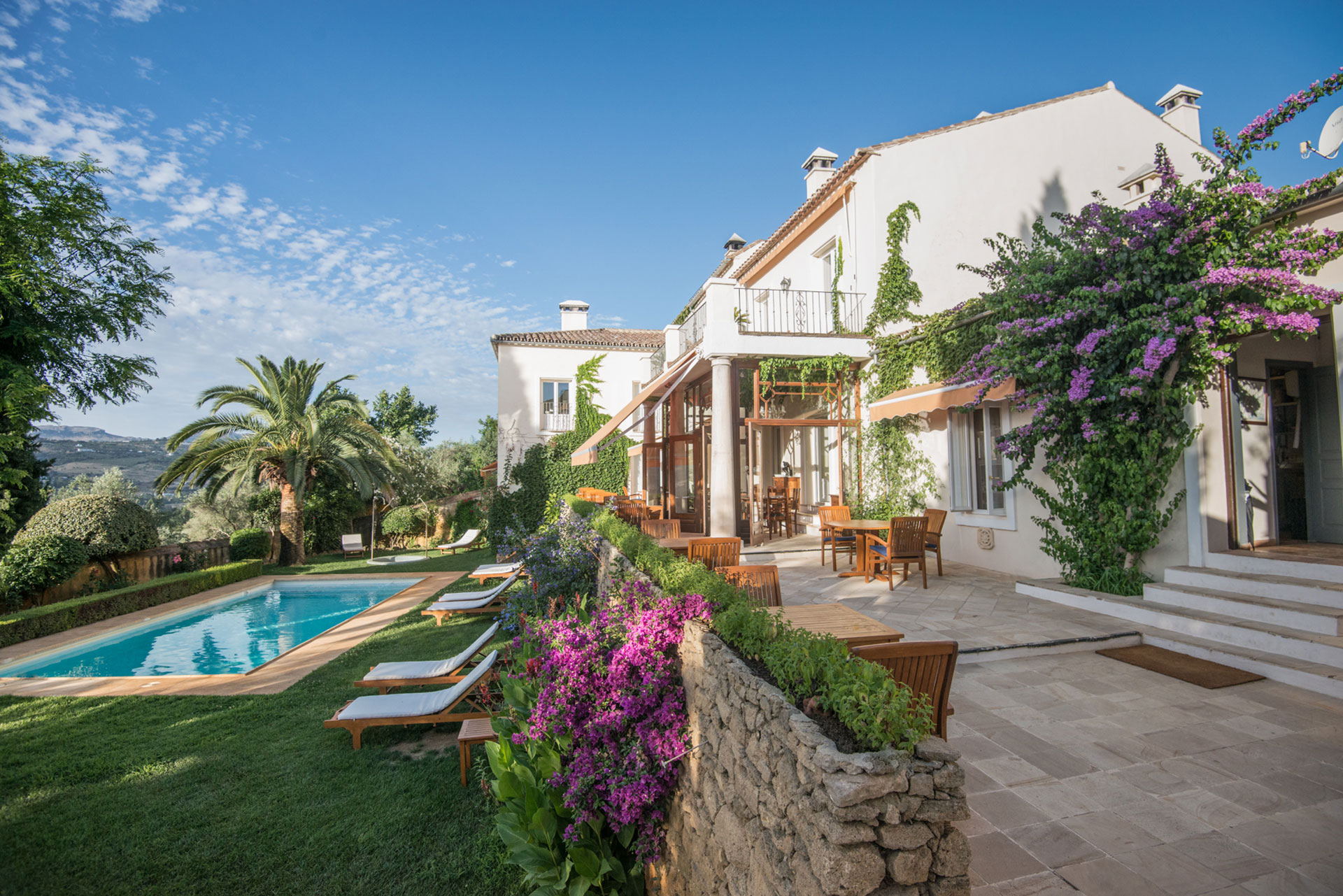
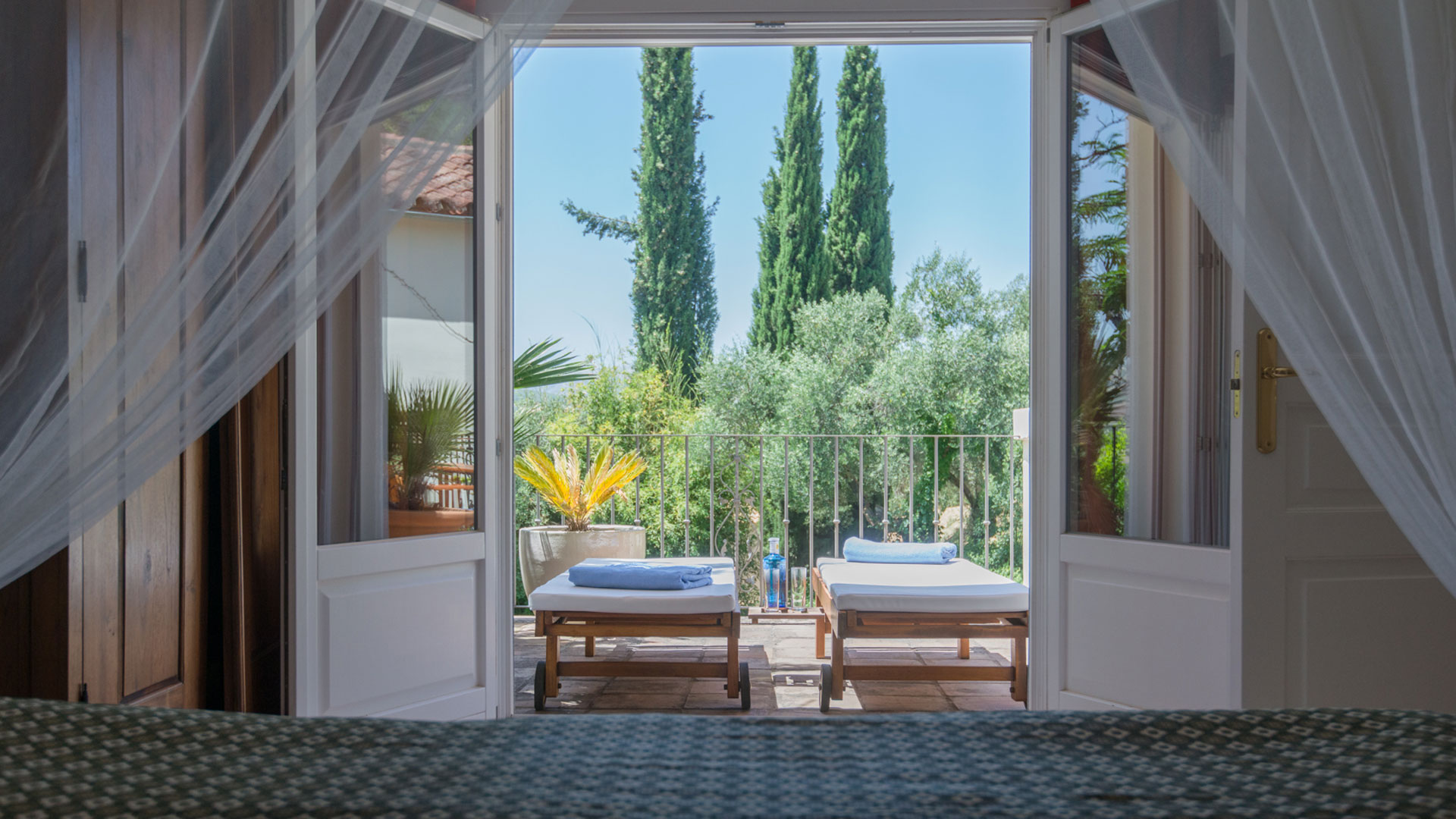
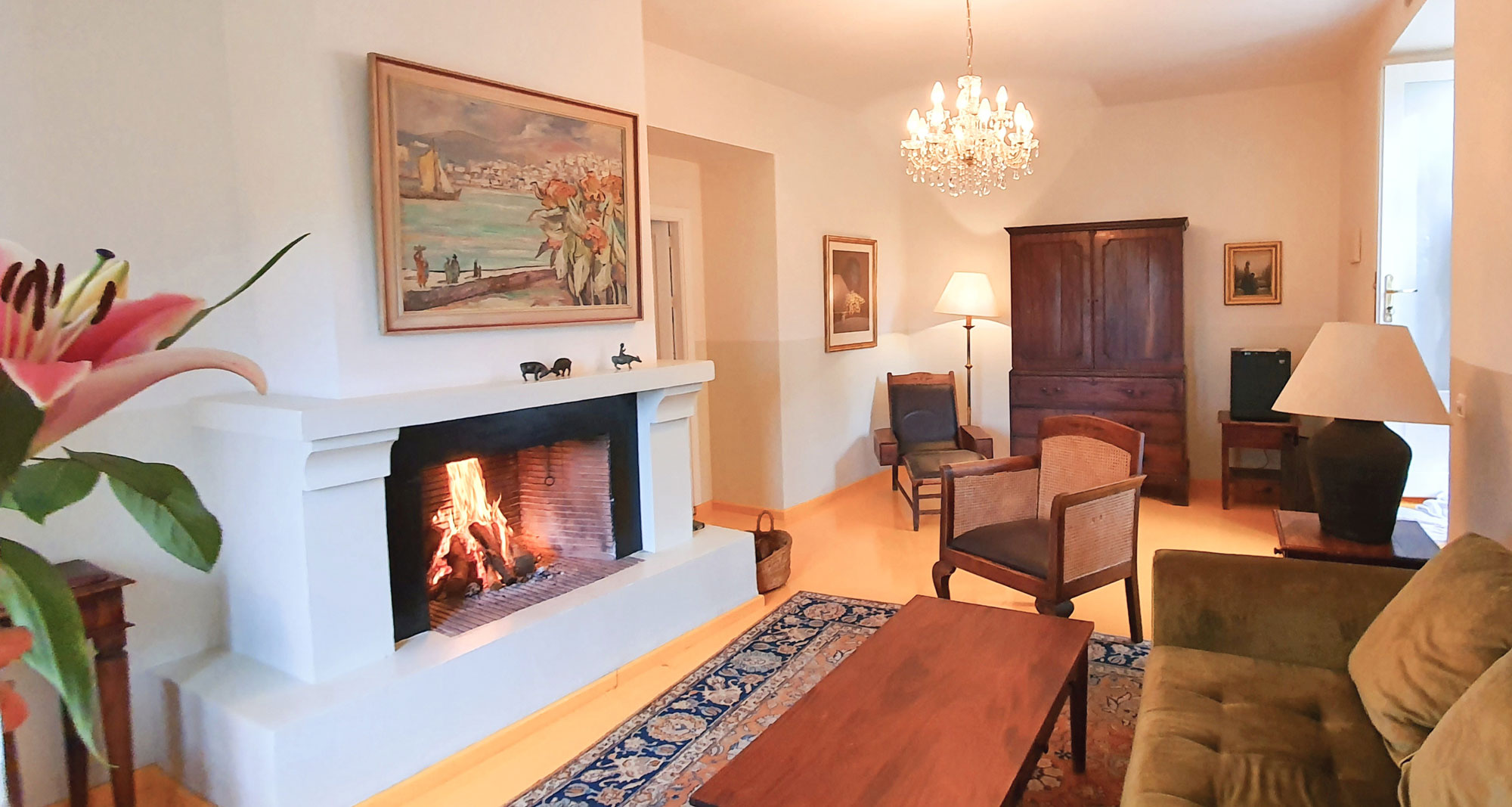
Hotel La Fuente de la Higuera is a rural hotel a few minutes from Ronda, in an 18th-century olive mill among gardens and groves, with the Serranía filling every window. A handful of rooms, terracotta floors, olive wood fires in winter, garden terraces where mornings unfold without urgency.
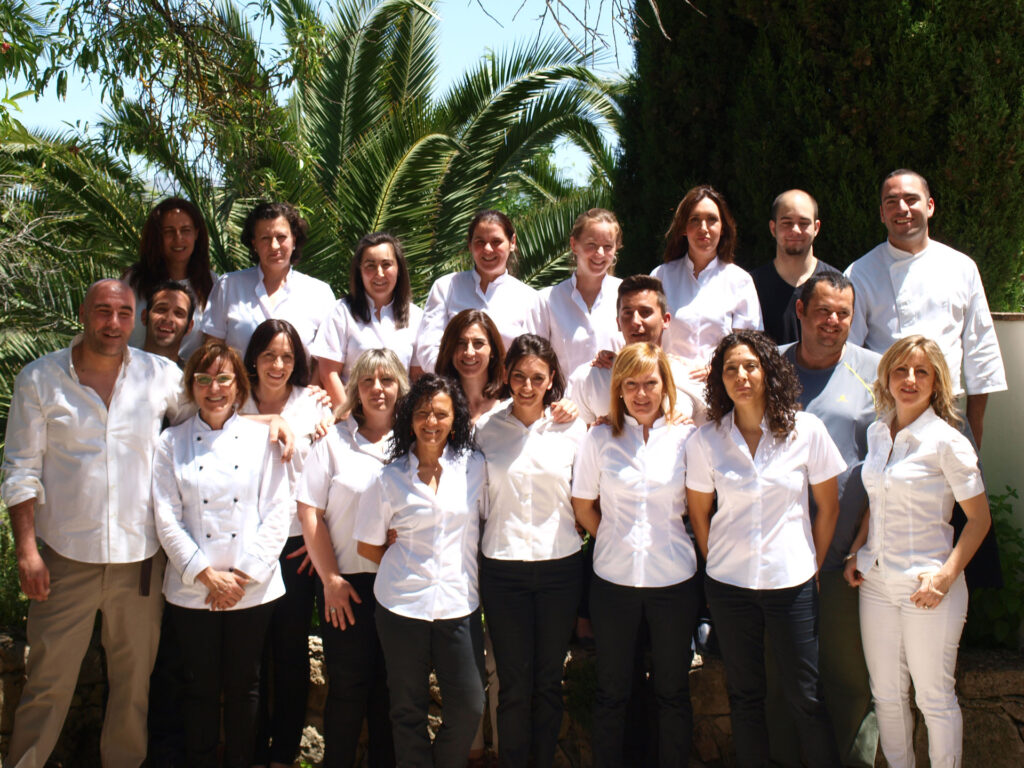
Every guest has someone dedicated to them during their stay, a personal host who plans around you rather than around a timetable. Through them we arrange experiences in Ronda shaped for each stay: private guided walks with local guides who know the routes, cycling through the hills with bikes provided, horse riding through the Serranía, private wine tastings with the region’s growers, and an olive oil tasting that follows our own harvest each November. Massages and yoga are arranged in the quiet corners of the garden, without anyone having to leave.
When you are ready, we would be delighted to welcome you.
Travelling With Your Dog
Rural Spain is far easier with a dog than the cities are. Casas rurales are the most reliably pet-friendly category, since the house is yours alone, and many country hotels accept dogs in ground-floor rooms with garden access. Village bars and terraces are relaxed about them almost everywhere.
Worth checking first
- National parks restrict dogs. Rules differ park by park, and many trails require a lead or exclude dogs entirely. Check before you plan a walk around one.
- Ask about the dining room. A hotel may welcome dogs in the room but not at dinner, which matters when there is nowhere else to eat.
- Avoid high summer in the south. Ground temperatures on stone and asphalt are hard on paws. Spring and autumn are kinder.
Walking and Hiking
Spain has an enormous network of marked GR long-distance paths and PR day routes, signed with painted stripes, plus national parks with maintained trails and visitor centres. Walking is the reason many people come, and the cheapest thing you will do.
- Around Ronda. The Sierra de las Nieves National Park and the Sierra de Grazalema sit within an hour, with everything from gentle valley paths to full-day ridge routes, and the Caminito del Rey a morning’s drive away. Some Grazalema routes need a free permit.
- Picos de Europa, Asturias. The great Spanish mountain walking. Steep and dramatic, well served by refuges. June to September.
- Ordesa, Pyrenees. Glacial valley walls and waterfalls. Long days and serious ascent.
- Irati, Navarre. One of Europe’s largest beech and fir forests. Gentle underfoot, extraordinary through October.
The Andalusian advantage is the calendar. Down here the walking season runs from October to June, and the winter months are among the finest, with clear air and green hillsides. In the Pyrenees and the Picos, those same months mean snow. It is also the one region where a guide can be arranged through your hotel rather than booked separately weeks ahead.
Countryside and Coast Together
Two regions manage it convincingly. In Galicia the sea is never far from the vines, and the rías give you fishing villages and beaches within an hour of the Ribeira Sacra canyons. In Andalusia the arrangement is different but works just as well: base yourself in the Serranía and the Mediterranean is ninety minutes down the mountain, which is close enough for an afternoon and far enough that you sleep in the quiet.
The mistake is splitting the trip in half. A week divided between a coastal hotel and a rural one becomes two short holidays with a packing day in the middle. Choose the countryside as your base and treat the sea as an excursion.
Rural Gastronomy in Spain
In the countryside the distance between the field and the plate is measured in metres rather than in supply chains, and you taste it.
Each region eats differently. Asturias is cider, bean stews and cheese. Galicia is what came out of the sea that morning. Castile is roast lamb and Ribera del Duero reds. And the Serranía de Ronda is olive oil, mountain wine, goat’s cheese and vegetables from gardens at altitude.
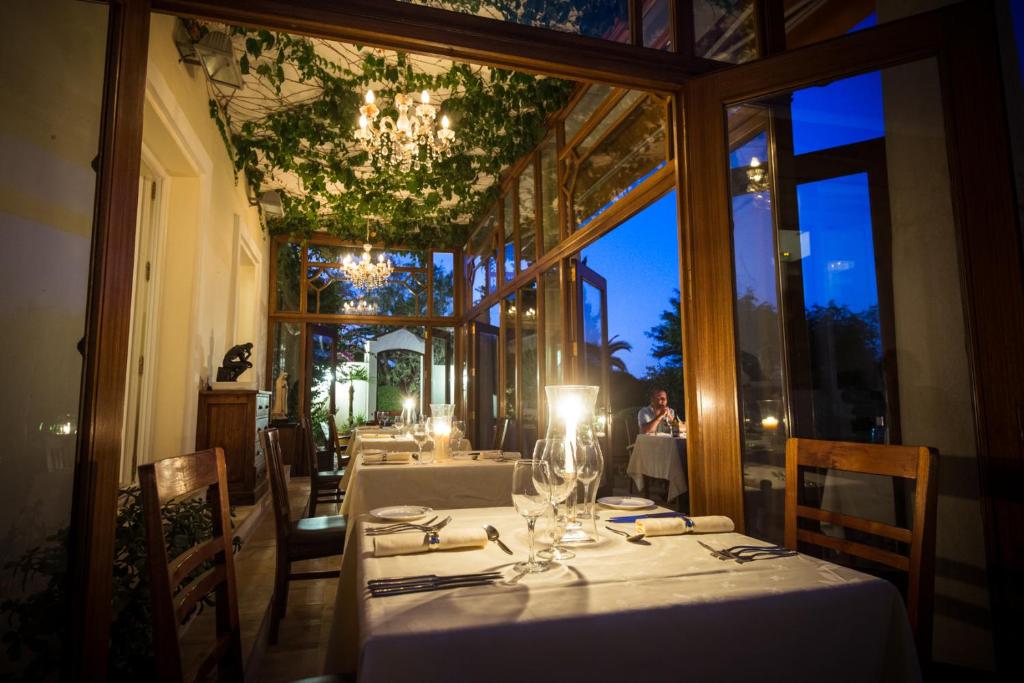
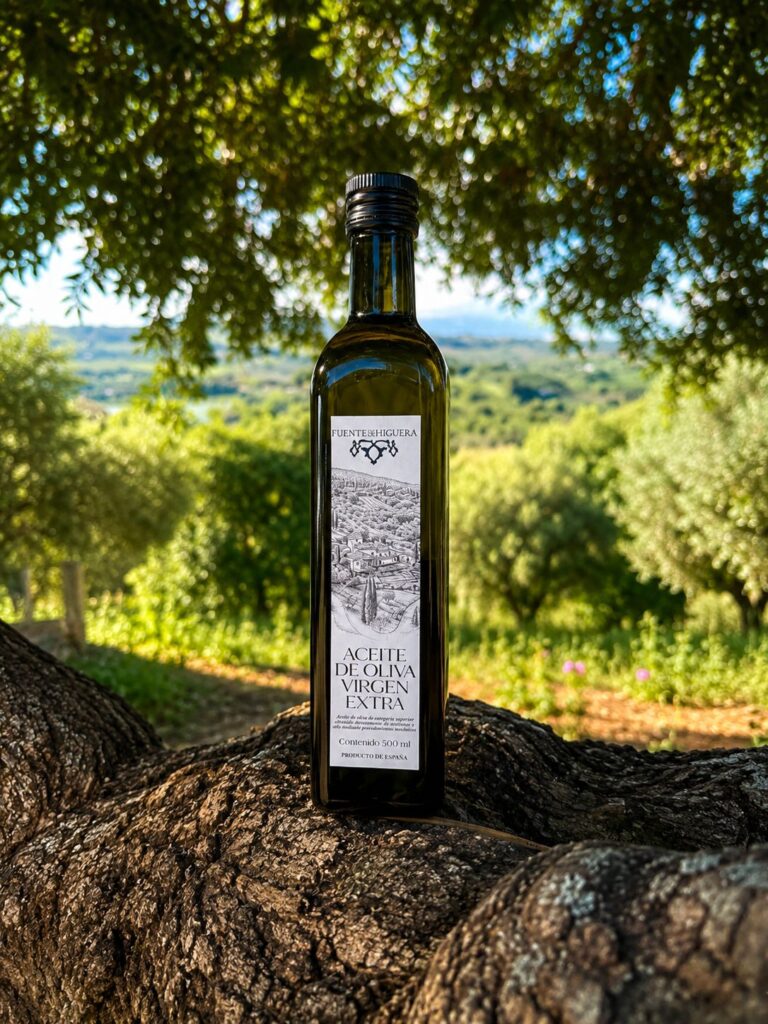
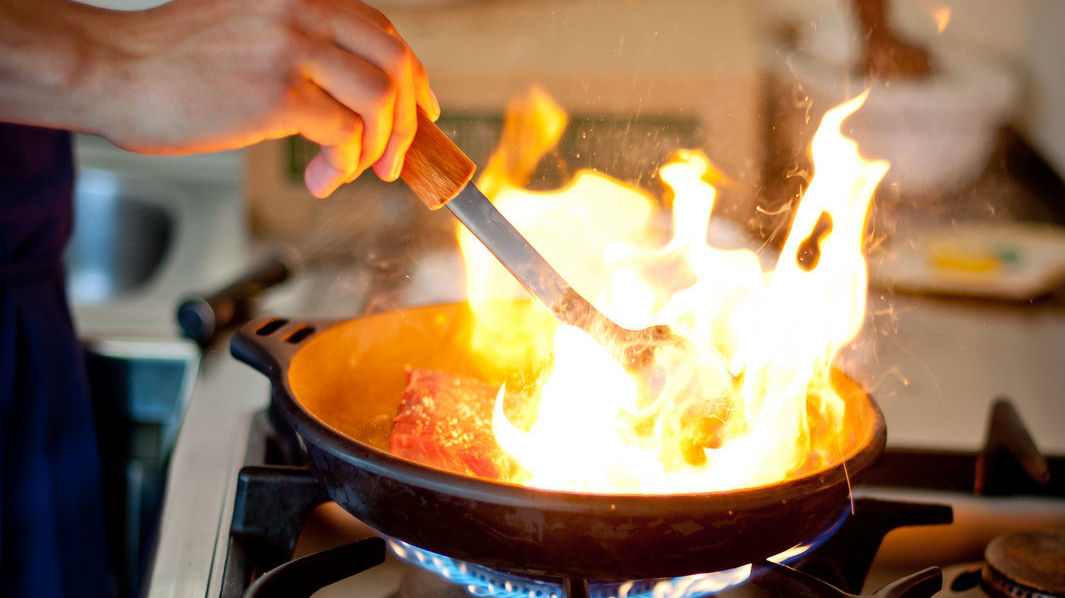
Where this is done properly, the kitchen grows a good deal of what it serves. At La Fuente de la Higuera the gardens give almonds, walnuts, pistachios, figs, citrus, quince, apples, plums and seasonal vegetables, and the olive oil is pressed from lechín olives in the groves around the house at a mill that has known olives since the eighteenth century. The dinner menu changes daily according to what the land offered that morning, cooked by chefs trained in Michelin-starred kitchens and served by candlelight on the terrace, alongside award-winning wines from bodegas a few kilometres away. More about our restaurant in Ronda.
Season by Season
Spring and autumn are the honest answer nearly everywhere. April to June brings wildflowers, long light and comfortable walking across the whole country. September and October bring the grape harvest and the forests turning colour in the north.
- Winter belongs to the south. The Andalusian sierras stay walkable, the light is clear and the villages belong to the people who live in them again. Around Ronda, the olive harvest is gathered in November and the mills run through December.
- Spring belongs to the blossom. Almond in Mallorca from February, cherry in the Jerte Valley around late March, wildflowers through the Andalusian sierras in April and May.
- Summer means altitude or the north. The Pyrenees, Asturias and Galicia stay bearable when the interior does not. Further south, plan mornings and evenings and let the afternoon go.
- Autumn is the connoisseur’s season. Grape harvest across the wine regions, warm days, cool nights, and none of the crowds.
Rural holidays in Spain are not about the distance travelled. They are about how quickly you stop counting the days.
Rural Holidays in Spain: Frequently Asked Questions
Which region is best for a rural holiday in Spain?
Andalusia is the most versatile, working almost year-round and combining mountains, wine, white villages, cities and coast within short distances. Ronda makes the natural base. Asturias and Galicia are better in high summer, the Pyrenees for serious walking, Castile and León for wine and silence.
Why choose Ronda for a rural holiday?
Because it is a real town surrounded by real countryside. The Serranía offers walking, around twenty small bodegas and a dozen white villages, while Málaga and the coast are ninety minutes away and Seville a little further. The climate also allows a rural holiday in months when most of Spain cannot.
How much does a rural holiday in Spain cost?
A simple casa rural for two starts around €60 a night, a comfortable country hotel runs €100 to €200, and small luxury properties from €200 upwards, usually with breakfast. Meals and activities are inexpensive. The car and the month of August are where costs rise.
Do I need a car?
In nearly all cases, yes. Rural buses are designed for residents and run infrequently. The exception is staying in one place where the hotel arranges transfers, restaurant bookings and excursions on your behalf.
When is the best time of year?
April to June and September to October almost everywhere. Winter suits Andalusia, which stays mild and walkable when the north is closed. In July and August, choose altitude or the Atlantic coast.
What is the difference between a casa rural and a hotel rural?
A casa rural is usually a self-catered house, often rented whole, offering space and independence. A hotel rural is a small country hotel with staff, breakfast and frequently dinner. The first suits groups, the second suits couples and anyone who would rather not cook.
Can I travel in rural Spain with a dog?
Yes, and it is considerably easier than in the cities. Casas rurales are the most reliably pet-friendly option, and many country hotels accept dogs in ground-floor rooms. Check national park rules before planning walks, since many trails restrict or exclude dogs.
How many days do I need?
Five to seven for a single region, with three nights the minimum for the pace of the countryside to take effect. Covering two regions in a week generally means experiencing neither properly.