Few places in Andalusia leave quite the same impression as Ronda. Perched above a dramatic gorge and surrounded by the mountains of the Serranía, this historic town combines breathtaking scenery, centuries of history and a distinctly Andalusian atmosphere.
The Puente Nuevo may be Ronda’s most famous landmark, but there’s much more to discover beyond its iconic bridge. Wander through the cobbled streets of the old town, explore beautifully preserved Moorish architecture, visit local wineries or venture into the countryside to discover some of southern Spain’s most picturesque white villages.
Whether you’re planning a day trip or a longer countryside escape, this guide brings together the best things to do in Ronda, from must-see attractions to memorable local experiences, with practical tips to help you make the most of your visit.
Best Things to Do in Ronda at a Glance
Not sure where to start? These are some of the experiences worth including in your itinerary.
These are approximate sightseeing times, excluding transport and longer breaks. Some attractions involve steep paths or steps, so choose your activities according to your interests and mobility.
Ronda’s Must-See Attractions
Ronda’s historic centre is compact enough to explore on foot, with most of its famous landmarks within walking distance of one another.
However, the town is built around a deep gorge, and some of the routes descending towards the river require considerably more effort than the streets above.
1. Puente Nuevo and El Tajo Gorge

No visit to Ronda would be complete without seeing the Puente Nuevo. Completed in the late 18th century, this monumental stone bridge connects the old and newer parts of Ronda across the spectacular El Tajo gorge, which drops approximately 100 metres towards the Guadalevín River.
Its enormous arches, dramatic setting and surrounding cliffs make it one of the most recognisable landmarks in Andalusia. Crossing the bridge is an experience in itself, but take time to admire it from the surrounding viewpoints rather than limiting your visit to a single photograph.
The Mirador de Aldehuela offers impressive views across the gorge, while the nearby streets and terraces provide different perspectives of the bridge and the surrounding landscape. For visitors interested in its construction and history, the interpretation centre within the bridge offers an additional way to discover this remarkable monument.
Our recommendation
Visit the Puente Nuevo early in the morning, when the historic centre is often quieter, and return later to experience the changing light over the gorge.
2. Explore Ronda’s Historic Old Town
Crossing the Puente Nuevo towards the south brings you into La Ciudad, Ronda’s beautiful historic quarter. Here, whitewashed houses, traditional balconies, churches and former palaces tell the story of a town shaped by centuries of Islamic and Christian history.
One of the best ways to explore this area is simply to wander through its quieter streets. Make your way towards Plaza Duquesa de Parcent, one of the old town’s most attractive squares, where you’ll find the Church of Santa María la Mayor. Built on the site of a former mosque, the church reflects different architectural periods and offers a fascinating insight into Ronda’s history.
Nearby, the Palacio de Mondragón houses Ronda’s Municipal Museum. Its historic architecture, courtyards and gardens make it an interesting stop for visitors who want to discover more about the region’s past. You can also explore sections of Ronda’s historic defensive walls and gates, including the Puerta de Almocábar, near the old Barrio de San Francisco.
Don’t miss
The streets surrounding Plaza Duquesa de Parcent. They offer a quieter atmosphere than the busy area around Puente Nuevo.
3. Discover the Arab Baths and Puente Viejo
Ronda’s Arab Baths are among the most remarkable surviving examples of medieval Islamic bathing architecture in Spain. Located in the lower part of the town, near the old river crossings, they offer a fascinating glimpse into daily life during Ronda’s Islamic period.
The complex preserves the characteristic bathing rooms that formed part of traditional hammams, including cold, warm and hot spaces. Look closely at the vaulted ceilings and distinctive star-shaped openings, which once helped illuminate the interior.
The baths are also a good starting point for exploring another side of Ronda. Nearby, the Puente Viejo and Arco de Felipe V reveal how the town’s different neighbourhoods were connected long before the construction of the Puente Nuevo. Walking through this area gives you a completely different perspective of the city, away from its most photographed streets.
Good to know
Reaching the Arab Baths from the upper historic centre involves downhill streets, and the return journey requires a climb.
4. Visit Casa del Rey Moro and the Water Mine
Despite its name, the Casa del Rey Moro is not primarily visited for its palace interior. The main attractions are its beautiful historic gardens and the extraordinary Water Mine, a remarkable medieval structure carved into the rock.
The mine was created to provide access to the river below and played an important role in Ronda’s defensive history. Today, visitors can descend through its steep staircase to discover the impressive engineering behind the structure.
The experience is fascinating, but physically demanding. The descent involves numerous uneven steps, and climbing back up requires a reasonable level of fitness. If you prefer a less strenuous visit, Ronda offers plenty of impressive viewpoints and historical attractions that don’t require descending into the gorge.
Best for
History enthusiasts and active travellers comfortable with steep staircases.
5. Discover Ronda’s Plaza de Toros
Ronda’s Plaza de Toros is one of Spain’s best-known historic bullrings and an important architectural landmark. Opened in the 18th century, the building is particularly notable for its elegant stone arcades and distinctive circular design.
Even if bullfighting isn’t of personal interest, the building offers an opportunity to explore an aspect of Ronda’s cultural and architectural history. Depending on the visit arrangements, you can explore the arena and museum spaces.
Its central location, close to the Alameda del Tajo, also makes it easy to include in a walking route through the town. For travellers who prefer to focus on architecture and local history, the Plaza de Toros is worth considering alongside Ronda’s other historic monuments.
The Best Viewpoints and Scenic Walks in Ronda
Much of Ronda’s appeal lies in its extraordinary setting, high above the surrounding countryside, with views across the gorge, mountains and valleys.
Some of the best viewpoints are only a short walk from the historic centre, while others involve descending towards the river.
Alameda del Tajo and the Surrounding Viewpoints
The Alameda del Tajo is one of Ronda’s most pleasant places for a relaxed stroll. Located near the Plaza de Toros, this historic garden offers shaded paths and viewpoints overlooking the countryside.
Continue towards Paseo de Blas Infante and the surrounding panoramic terraces to enjoy sweeping views across the valley. These are particularly attractive places to visit towards the end of the afternoon, when the landscape begins to change colour in the softer light.
For a different perspective, head towards the Jardines de Cuenca. These terraced gardens sit along the edge of the gorge and offer beautiful views towards the Puente Nuevo and Ronda’s historic buildings. The different levels include steps, but you don’t need to descend into the bottom of the gorge to enjoy the scenery.
If photography is one of your priorities, take a look at our dedicated guide to the top five viewpoints in Ronda.
Walk the Camino del Desfiladero del Tajo
One of Ronda’s newest and most exciting attractions is the Camino del Desfiladero del Tajo. This spectacular walking route allows visitors to experience the famous gorge from below, providing a completely different view of the Puente Nuevo and the surrounding cliffs.
The route was completed in September 2026, when its second phase opened to the public. The full itinerary extends for almost one kilometre, beginning in the historic centre near Plaza María Auxiliadora and descending towards the base of the Puente Nuevo. From there, a new walkway continues alongside the Guadalevín River towards the Padre Jesús neighbourhood, close to the Arab Baths.
Walking beneath the enormous arches of the bridge is an impressive experience, particularly for visitors who have only seen Ronda from its upper viewpoints. However, this is not an ordinary city stroll. The route includes steep sections and requires suitable footwear. Access may also be affected by weather conditions or operational restrictions.
Before visiting
- Check ticket availability and current access conditions.
- Wear comfortable, secure footwear suitable for uneven surfaces.
- Allow enough time for the descent and the rest of your itinerary.
- Consider your fitness and mobility before booking.
- Follow the official route and safety instructions.
Tickets and visitor information are available on the official Camino del Desfiladero del Tajo website.
Our recommendation
If you enjoy walking and dramatic scenery, this is one of the most memorable experiences to add to your Ronda itinerary.
Unique Experiences in and Around Ronda
Ronda is much more than a collection of historic monuments. Its countryside, traditional gastronomy and wine culture offer plenty of reasons to stay longer than a few hours.
For travellers who enjoy discovering a destination beyond its main attractions, these experiences provide a particularly rewarding way to explore the Serranía.
Enjoy a Wine Tasting in the Serranía de Ronda
The hills surrounding Ronda are home to an increasingly recognised wine-producing region. Thanks to its altitude, varied landscapes and distinctive growing conditions, the Serranía offers a fascinating setting for discovering Andalusian wines.
Many local bodegas are relatively small producers, where visits can include a walk through the vineyards, an introduction to the winemaking process and a guided tasting. Some also offer food pairings or opportunities to enjoy local products while overlooking the surrounding countryside.
Well-known wineries in the area include Descalzos Viejos, Cortijo Los Aguilares, Bodega F. Schatz and La Melonera. Each offers a different experience, from historic buildings and scenic settings to a more detailed introduction to local grape varieties and winemaking.
Winery visits generally require advance booking, so it’s worth planning your visit before arriving in Ronda. If you’re interested in exploring the region’s wine culture, read our complete guide to wine tasting in Ronda and the best bodegas in the Serranía.
Discover Traditional Food and Local Flavours



Ronda’s culinary traditions are closely connected to the surrounding countryside. Local olive oil, cheeses, cured meats, seasonal vegetables and regional wines feature prominently in the area’s gastronomy.
For visitors who enjoy discovering a destination through its food, exploring local markets, traditional restaurants and small food shops can be just as rewarding as visiting another monument. The Serranía is also a wonderful place to enjoy a long lunch or a leisurely dinner surrounded by nature.
At Hotel La Fuente de la Higuera, our garden-to-table restaurant brings this connection with the countryside into the dining experience. Our kitchen prepares Andalusian and Mediterranean dishes using seasonal ingredients, including produce grown in our own organic gardens. It’s a lovely way to end a day exploring Ronda, especially when you can enjoy dinner without having to return to the busy town centre.
Explore Nature in the Serranía de Ronda

The landscapes surrounding Ronda offer excellent opportunities for travellers who enjoy spending time outdoors. Rolling hills, olive groves, forests and mountain scenery create a varied setting for walking, cycling and exploring the countryside.
The wider region includes remarkable natural areas such as the Sierra de las Nieves, Sierra de Grazalema and the Genal Valley. Depending on the route and season, you can enjoy everything from gentle countryside walks to more demanding mountain excursions. For visitors staying several days, these activities are a wonderful contrast to the monuments and historic streets of Ronda.
At La Fuente de la Higuera, our team can also help guests with information about local experiences and activities, including walking, cycling and horse riding. If you’re planning a particular excursion, it’s worth asking in advance so that the arrangements can be tailored to your interests.
Visit Setenil de las Bodegas and the White Villages
Ronda is an excellent starting point for exploring Andalusia’s famous White Villages. One of the most distinctive is Setenil de las Bodegas, known for its extraordinary houses built beneath enormous overhanging rocks.
Unlike the hilltop streets of many traditional white villages, parts of Setenil follow the course of a river, with buildings tucked into the natural rock formations. Its most famous streets, Cuevas del Sol and Cuevas de la Sombra, offer a fascinating setting for a relaxed walk, photography or a coffee.
Other beautiful destinations in the region include Grazalema and Zahara de la Sierra, both surrounded by spectacular mountain scenery. If you’re staying in Ronda for several days, a drive through these villages is a wonderful way to discover another side of rural Andalusia.
For ideas on planning your journey, explore our guide to the White Villages route from Ronda. If you’re visiting in autumn, you may also enjoy the Chestnut Route in the Serranía de Ronda, when parts of the surrounding countryside take on beautiful seasonal colours.
How to Spend 3 Hours, 1 Day or 2 Days in Ronda
How much time should you spend in Ronda? It depends on whether you’re visiting for the famous bridge and historic centre or want to explore the wider Serranía.
Here’s how we’d organise your visit.
What to See in Ronda in 3 Hours
If you only have a few hours, concentrate on the upper historic centre.
A suggested route
- Alameda del Tajo. Begin with a short walk through the gardens and enjoy the panoramic views.
- Puente Nuevo. Cross Ronda’s most famous bridge and explore the nearby viewpoints.
- La Ciudad. Wander through the historic streets towards Plaza Duquesa de Parcent.
- Santa María la Mayor. Admire the church and surrounding square before returning towards the centre.
This route gives you an introduction to Ronda’s architecture, scenery and atmosphere without rushing between too many attractions. If you prefer a relaxed visit, leave the gorge descent and more demanding historical attractions for another day.
The Perfect One-Day Ronda Itinerary
With a full day, you can enjoy the city’s main attractions while leaving time for lunch and one additional experience.
Start at the Alameda del Tajo and continue towards Puente Nuevo before the busiest part of the day. Explore the surrounding viewpoints, then cross into the historic quarter.
Visit Plaza Duquesa de Parcent, Santa María la Mayor and the streets around Palacio de Mondragón. If you’re particularly interested in history, choose one monument or museum to explore in more detail.
Take a break at one of Ronda’s restaurants and enjoy some traditional Andalusian food. A leisurely lunch gives you time to experience the town beyond its monuments.
Depending on your interests and energy, spend the afternoon doing one of the following:
- Explore the Arab Baths, Puente Viejo and the lower historic area.
- Visit Casa del Rey Moro and descend into the Water Mine.
- Walk the Camino del Desfiladero del Tajo, subject to access and availability.
- Enjoy a museum and spend more time exploring the old town.
Choose one main activity rather than trying to complete all of them in a single afternoon, and finish with a final stop at one of Ronda’s viewpoints, where the changing light offers a beautiful way to end the day.
How to Enjoy Ronda Over Two Days
Two days give you the opportunity to combine the historic town with the surrounding countryside.
Spend your first day exploring Puente Nuevo, the old town and your preferred historic attractions. Leave time for lunch, viewpoints and an evening stroll.
Visit a local winery, discover Setenil de las Bodegas or enjoy a scenic drive through the White Villages. Alternatively, choose an outdoor activity and spend the afternoon relaxing in the countryside.
This is also a lovely way to enjoy a stay at Hotel La Fuente de la Higuera: combining the atmosphere of Ronda with peaceful moments among the olive groves.
Practical Tips for Visiting Ronda
A little planning can make your visit considerably more enjoyable, especially if you’re hoping to include some of the town’s more demanding attractions.
How to Get to Ronda
Ronda is accessible by car, train and bus. You don’t need a car to visit the main monuments, as most of the historic centre can be explored on foot. However, having a vehicle is particularly useful if you’re planning to visit local wineries, the White Villages or other rural destinations in the Serranía.
If you’re travelling by public transport, check the latest train and bus timetables before your journey.
Where to Park in Ronda
If you’re arriving by car, it’s generally more convenient to park in one of the public car parks around the central area and continue on foot. The historic centre includes narrow streets, restricted areas and routes that aren’t particularly convenient for driving. Once parked, you can explore most of Ronda’s principal attractions without needing to move your vehicle.
When Is the Best Time to Visit Ronda?
Ronda is an attractive destination throughout the year, but each season offers something different.
For visitors interested in outdoor activities, spring and autumn are often especially appealing.
Which Attractions Should You Book in Advance?
Many of Ronda’s highlights can be enjoyed without booking, including the Puente Nuevo’s exterior viewpoints, historic streets and public gardens. However, some experiences require additional planning.
The Camino del Desfiladero del Tajo has its own admission and access arrangements, while winery visits often operate by appointment. For museums, historic monuments and guided experiences, check the latest opening hours and ticket information before visiting.
The official Ronda tourism website is a useful source for current visitor information.
Is Ronda Easy to Explore on Foot?
Ronda’s upper historic centre is relatively compact and convenient for walking. However, the town’s dramatic geography means that not every route is equally accessible. The paths leading into the gorge, the Water Mine and some historic streets involve slopes, steps or uneven surfaces.
If you prefer gentler walks, you can still enjoy many of Ronda’s most impressive views from the Alameda del Tajo, Puente Nuevo and other upper viewpoints. Comfortable footwear is recommended whatever itinerary you choose.
Where to Stay Near Ronda: Discover La Fuente de la Higuera
Ronda is undeniably beautiful, but the surrounding countryside is just as much a part of its charm.
Staying a little outside the town allows you to enjoy the historic sights during the day and return to a quieter setting in the evening.
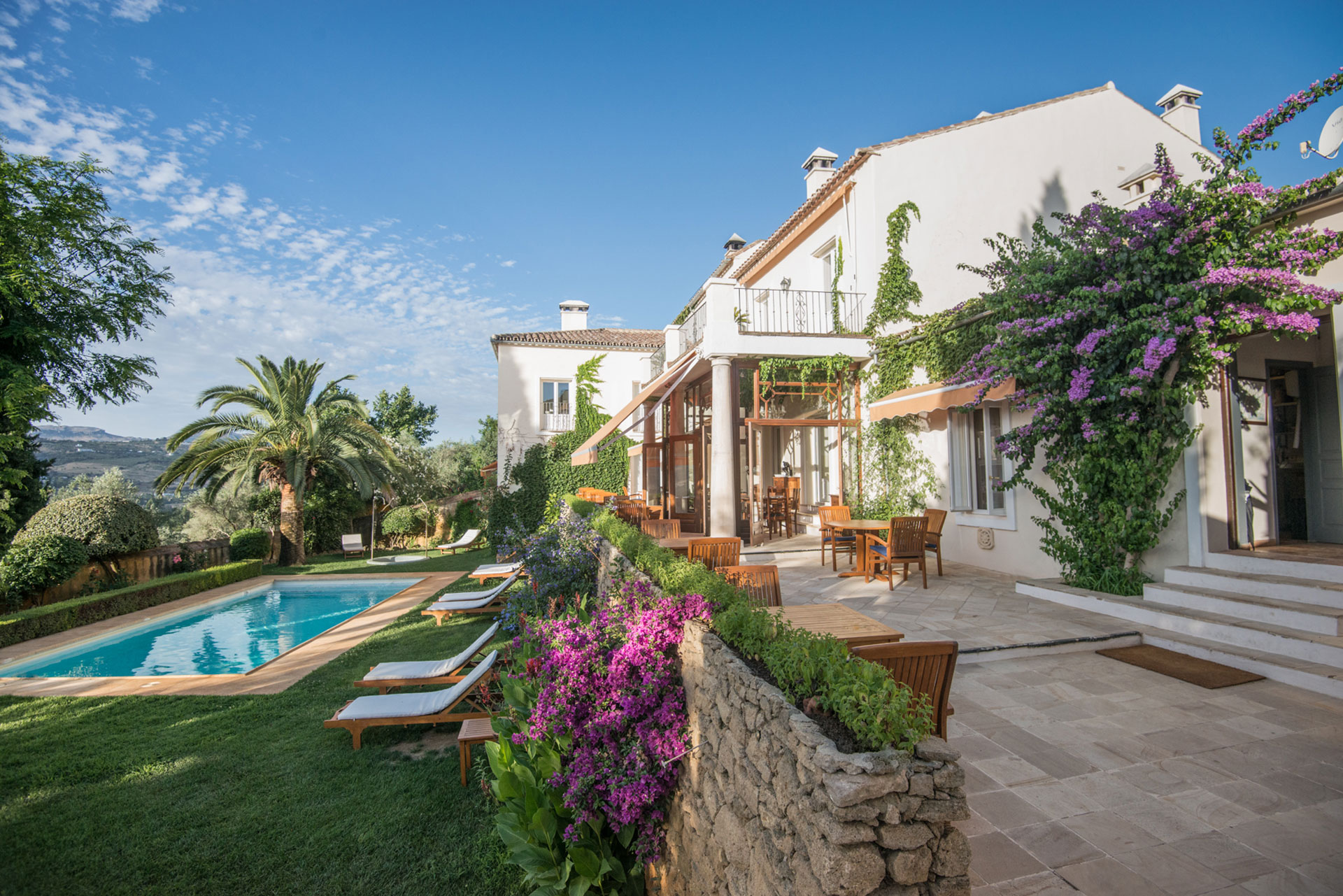
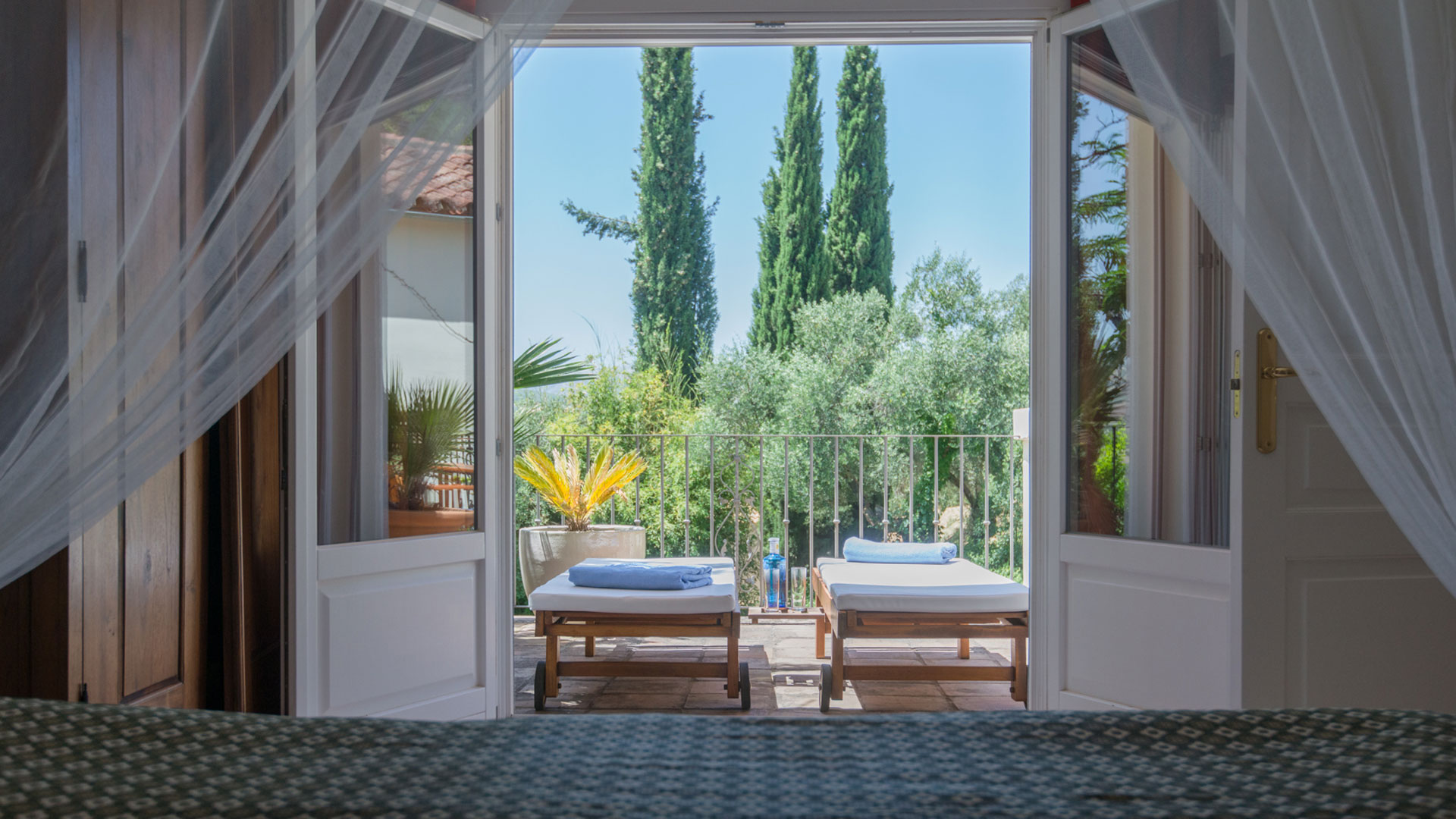
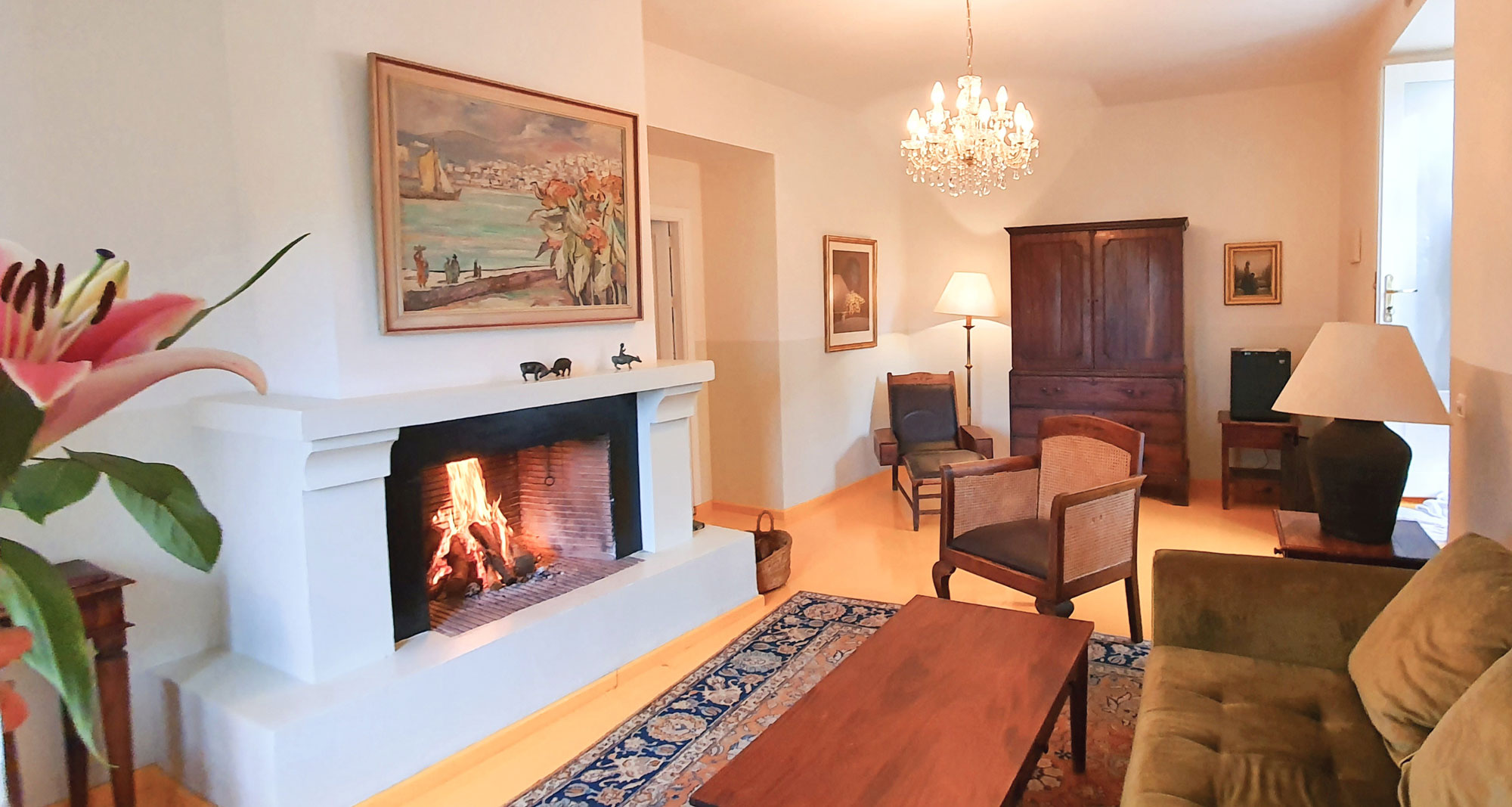
Just fifteen minutes by car from Ronda, Hotel La Fuente de la Higuera offers a peaceful retreat among ancient olive groves and the rolling landscapes of the Serranía. Our intimate country hotel has eleven individually designed rooms and suites, each with its own character.
Here, you can begin the morning with breakfast overlooking the gardens, spend the day exploring Ronda and return for an afternoon beside the outdoor pool or a quiet moment on the terrace. Our garden-to-table restaurant offers Andalusian and Mediterranean dishes prepared with seasonal ingredients, including produce from our organic gardens.
And if you’d like to discover more of the surrounding region, our team will be delighted to share recommendations and help you plan local experiences.
Whether you’re visiting for a romantic weekend, a countryside escape or a longer journey through Andalusia, La Fuente de la Higuera offers a welcoming base from which to discover Ronda at your own pace.
Discover our rooms and suites, and enjoy the best online price when booking directly with us.
Frequently Asked Questions About Things to Do in Ronda
Is Ronda worth visiting?
Absolutely. Ronda is one of Andalusia’s most distinctive historic towns, combining dramatic natural scenery, impressive architecture and centuries of cultural heritage.
Its famous Puente Nuevo is reason enough to visit, but the old town, historic monuments, local wineries and surrounding countryside make it a rewarding destination for a longer stay.
How many hours do you need in Ronda?
Around three hours is enough to explore Puente Nuevo, some of the main viewpoints and part of the historic centre. A full day allows time for museums, the Arab Baths or another cultural experience.
If you have two days or more, you can also discover the Serranía, local wineries and nearby White Villages.
What are the best free things to do in Ronda?
Some of Ronda’s most memorable experiences are free. You can cross Puente Nuevo, explore the historic streets, walk through the Alameda del Tajo and enjoy views from several public viewpoints.
The Jardines de Cuenca and the streets around Plaza Duquesa de Parcent are also lovely places to explore without purchasing a monument ticket.
What is the most famous attraction in Ronda?
The Puente Nuevo is Ronda’s most famous landmark. This monumental 18th-century bridge spans the El Tajo gorge and offers one of the most recognisable views in southern Spain.
Can you visit Ronda without a car?
Yes. Ronda has train and bus connections, and most of its central attractions are within walking distance. However, a car is useful if you want to explore the countryside, local wineries or nearby villages.
Is Ronda suitable for a romantic getaway?
Ronda is a wonderful destination for couples, thanks to its dramatic views, historic streets, intimate restaurants and beautiful countryside. Wine tastings, sunset viewpoints and peaceful rural accommodation make it especially appealing for a romantic weekend.
Is the Camino del Desfiladero del Tajo worth visiting?
If you enjoy scenic walks and are comfortable with steep terrain, the Camino del Desfiladero is one of Ronda’s most memorable attractions. The completed route, opened in September 2026, offers a spectacular perspective of the gorge and Puente Nuevo from below.
Check the official website for access conditions and reservations before visiting.
Where should you stay when visiting Ronda?
If you prefer to explore the town on foot throughout your stay, accommodation in the historic centre may be convenient. For travellers looking for peace, nature and a more relaxed countryside experience, a hotel in the surrounding Serranía can be an excellent alternative.
Hotel La Fuente de la Higuera combines easy access to Ronda with the tranquillity of the Andalusian countryside, making it a lovely base for discovering the region.